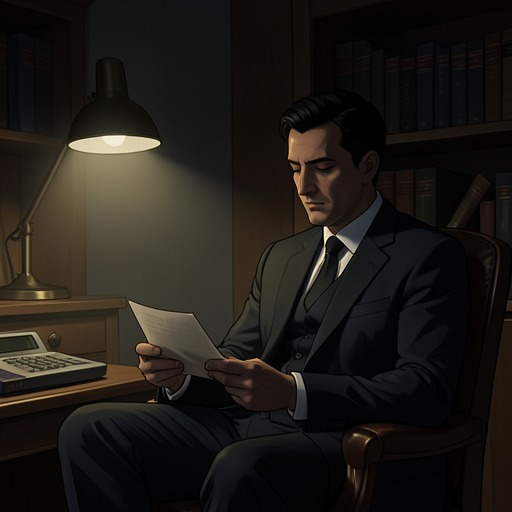
Suicide of Jeremiah de Saint-Amour
Love in the Time of CholeraJeremiah de Saint-Amour’s suicide is the novel’s opening death and a defining collision between chosen time and irreversible loss. A disabled war veteran, photographer of children, and longtime chess opponent of Dr. Juvenal Urbino, Jeremiah dies by gold cyanide in the room that served as both his bedroom and laboratory. His longtime lover had known the date in advance and kept his intention secret; the death leaves Dr. Urbino to confront not only the body of a friend but the deliberate boundary Jeremiah had set for his own life.
A Death Planned in Advance
Jeremiah had made an irrevocable decision to take his life when he reached seventy. He turned seventy on January 23 of that year and chose the night before Pentecost, a major holiday in a city consecrated to the Holy Spirit. The date had not been selected in a moment of sudden crisis: he and his lover had spoken of the plan often, knowing that the days were passing and could not be stopped. As the chosen night approached, however, he grew increasingly despairing, as if a death he had decided upon had also become an inexorable fate.
The account places this plan beside Jeremiah’s passionate attachment to life. He loved the sea, love, his dog, and the woman who shared his secret. His decision therefore does not emerge as simple indifference to living; it is framed instead by his refusal to accept aging on terms he had not chosen. Long before his death, he had told his lover that he would never grow old. She understood the declaration as a heroic resolve to resist time, while the precise meaning was his plan to die at seventy.
The Night and the Discovery
Dr. Urbino is summoned to the darkened house on an urgent call, though the case has long since ceased to hold medical urgency. Jeremiah has used the fumes of gold cyanide to die. The room is also a photographic workplace, crowded with equipment and materials, and the body lies on the campaign cot where he habitually slept. His crutches are nearby; a black Great Dane with a white chest has been tied to the cot, carrying the consequences of Jeremiah’s final request into the scene of discovery.
A police inspector and a young medical student have ventilated the room and covered the body while waiting for Dr. Urbino. Their solemn greeting reflects the physician’s close friendship with the dead man. Dr. Urbino uncovers Jeremiah with deliberate care, recognizes the marks of his disability and the dramatic change death has made in his appearance, then covers him again. His grief breaks through his professional composure in a brief rebuke: “Damn fool,” he says. “The worst was over.” The words register the distance between the doctor’s instinct to oppose death and Jeremiah’s settled decision to meet it on his own schedule.
The Lover’s Knowledge and Final Gestures
Jeremiah’s lover had been aware of every detail of the plan. She did not report him, telling Dr. Urbino that she loved him too much to do so. The doctor, who believed he had heard everything, is struck by this answer and tries to fix her in his memory as she stands before him in mourning, with a rose behind her ear. Their exchange discloses both the intimacy of her knowledge and the moral conflict produced by it: her silence is an act of love to her, though it leaves the physician to confront a death she knew was coming.
On the last night, Jeremiah told her that his dog, Mister Woodrow Wilson, would go with him. He asked her to tie the animal to the cot while he wrote, and she used a false knot so the dog could escape. This was, she says, her one act of disloyalty to him, motivated by her wish to preserve the dog. Dr. Urbino points out that the animal did not free himself; she answers that perhaps he did not want to. Her account preserves the uncertainty of the dog’s final choice while making clear that Jeremiah had deliberately included him in the scene of his death.
Before leaving, Jeremiah stopped writing a letter and asked his lover to remember him with a rose. She returned home shortly after midnight, stayed dressed, and waited while he finished what she understood to be a long and difficult letter. Shortly before three in the morning, as dogs began to howl, she put water on for coffee, dressed in mourning, and cut the first rose of dawn in the patio. The rose thus links his final request to the precise sequence of her vigil and to the image of him she chooses to carry away.
Aftermath and Narrative Significance
For Dr. Urbino, the suicide is at once a personal bereavement and a challenge to his lifelong medical resistance to death. His instinctive lament that the worst had passed cannot undo the plan, and the scene makes the limits of professional authority unmistakable: he arrives as a physician, but the death has already been decided and carried out. The friendship that had included chess and years of acquaintance gives the discovery its intimate force.
The event also establishes a pattern in which love, memory, and death are inseparable. Jeremiah’s lover has to choose between reporting his intention and honoring a secret made within their relationship; after his death, she follows his request through the rose she cuts at dawn. Dr. Urbino, in turn, tries to preserve his own memory of her even as he judges her silence. The suicide is therefore not only the end Jeremiah planned but the beginning of other characters’ competing acts of remembrance, grief, and judgment.